

Lesson 14: Measuring What Matters
GSC, tracking, and realistic timelines. The metrics that tell you if you're making progress before traffic shows up.

SEO has a measurement problem: the metrics that matter most take months to move. If you only track traffic, you'll have nothing to look at for weeks after publishing. You'll lose motivation or make changes before giving your content time to work.
The solution is measuring leading indicators, not just trailing ones.
The Two Types of Metrics
Trailing indicators tell you what already happened. Organic traffic, conversions, revenue from SEO. These are what you ultimately care about, but they move slowly and lag your actions by months.
Leading indicators tell you if you're on track before results appear. Impressions, indexed pages, ranking positions. These move faster and help you understand if your work is headed in the right direction.
Track both. Report trailing indicators to stakeholders. Use leading indicators to guide your work.
Google Search Console: Your Primary Tool
Google Search Console is free and gives you the most important SEO data.
Impressions show how often your pages appeared in search results, whether or not anyone clicked. This is your earliest signal. If impressions are growing, Google is showing you for more queries. That's progress, even without clicks yet.
Clicks show actual traffic from search. This is what most people track, but it's a lagging indicator. Clicks come after impressions, which come after indexing, which comes after publishing.
Average position shows where you rank on average for queries you appear for. Position 50 means you're on page five, not visible, but present. Position 10 means you're at the bottom of page one. Position 1-3 means you're in the running for clicks.
Click-through rate (CTR) shows what percentage of impressions resulted in clicks. Low CTR with high impressions might mean your titles and descriptions aren't compelling. Revisit the title and meta guidance in Lesson 11. High CTR means you're well-matched to the queries you appear for.
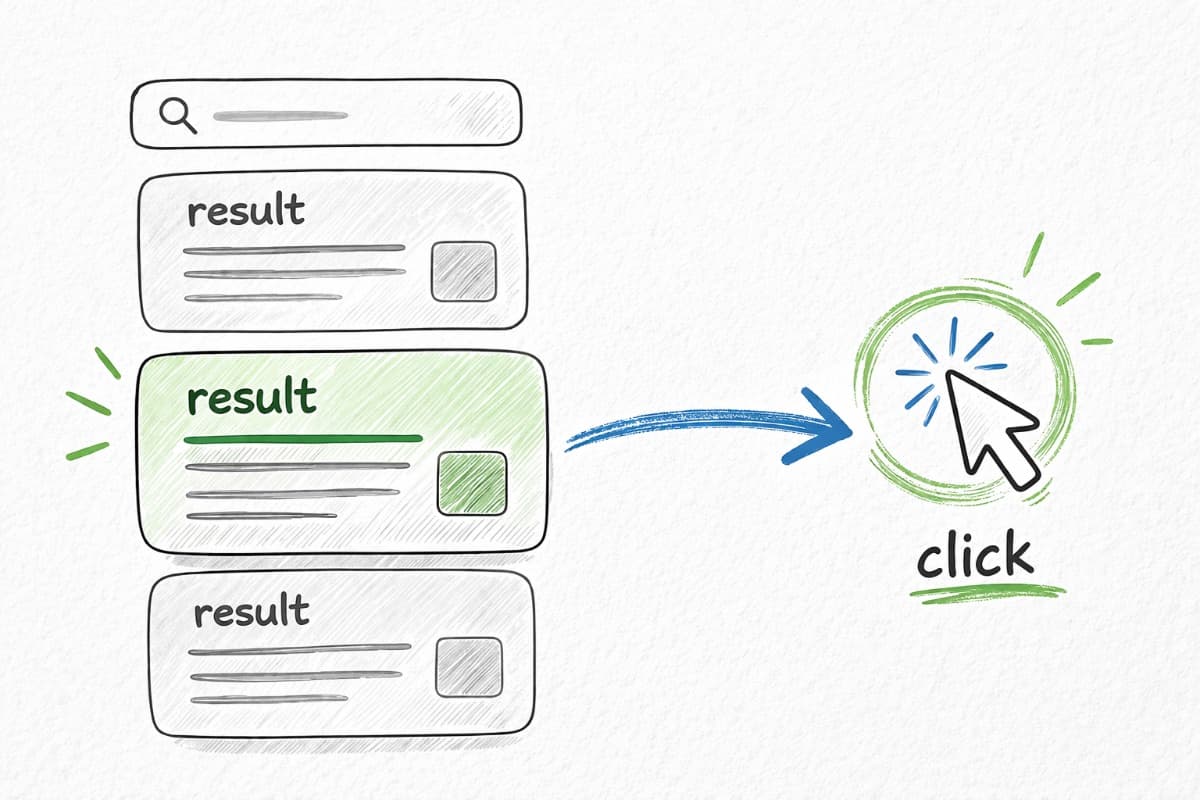
Queries shows exactly what people searched to find you. This reveals opportunities. Queries where you're appearing but not ranking well could be targets for new or improved content. These are keywords your audience is already using to find you, which makes them ideal candidates when planning topic clusters or finding new keyword opportunities.
What to Track and When
First month after publishing: check that pages are indexed. That's it. Rankings haven't stabilized yet.
Months two and three: watch impressions. Are they growing? Are you appearing for your target keywords? Impressions before clicks is normal.
Months three to six: start watching positions and clicks. Pages should be stabilizing in rankings. If you're not seeing clicks for your target keywords, check your positions. Maybe you're on page two and need to improve the content.
Ongoing: track traffic trends month over month. Are you growing? Which pages are driving traffic? Which are underperforming expectations?
Realistic Expectations
Set expectations correctly or you'll drive yourself crazy.
Brand new site, new content: expect minimal traffic for three to six months. You're building authority from zero. Early wins are possible but not guaranteed.
Established site, new content: expect to see ranking signals within weeks, meaningful traffic within one to three months. Your existing authority helps new content rank faster.
Competitive keywords: expect longer timelines. High-competition keywords take more time and more supporting content to rank for.
Low-competition keywords: expect faster results. If you've targeted keywords well, you might see traction within weeks.
The most dangerous expectation is linear growth. SEO compounds. It's flat, flat, flat, then it starts climbing. Many people quit during the flat period. Don't. We covered this compounding mental model early in the course for a reason.
Beyond Google Search Console
Search Console is necessary but not sufficient for serious tracking.
Google Analytics tracks what visitors do after they arrive. Which pages do they visit? How long do they stay? Do they convert? Connect organic traffic to business outcomes.
DataFast is a simpler alternative built for founders. Instead of drowning you in data, it focuses on revenue per visitor and which channels actually bring paying customers.
Rank tracking tools monitor your positions for specific keywords over time. Search Console shows averages; dedicated tools show exact positions and historical trends. Ahrefs, Semrush, or cheaper alternatives like SERPWatcher work. Pick one if rankings are a key metric for your business.
Content analytics show which pages perform best. Your top ten pages often drive most of your traffic. Know what they are and why they work.
Avoiding Metrics Obsession
Checking rankings daily is counterproductive. Positions fluctuate. Daily checking creates anxiety without insight.
Weekly is enough for leading indicators. Monthly is enough for trends. Quarterly is a good cadence for strategic review: is your overall approach working?
Use metrics to inform decisions, not to feel productive. "Impressions are growing" is useful. Knowing the exact position of every keyword every day is procrastination disguised as work.
Next: Lesson 15: Troubleshooting: Why Your Content Isn't Ranking
Back to: Course Overview